What to do About Dry Eyes in the Spring
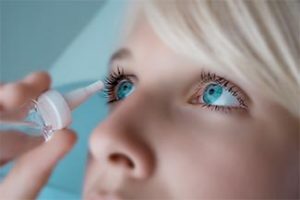
Spring may be in the air, but so are allergens, and consequently dry, itchy eyes. Allergies during the spring season can have a particularly unpleasant effect on people with Dry Eye Syndrome (DES). Is it only allergies or is it something else that aggravates DES? Finding the cause of dry eyes can help you choose the right treatment option and allow you to fully enjoy the warm weather this season has to offer.
treats patients from all over CITY 1, , who are suffering from seasonal dry eyes. Depending on your specific case and the intensity of your symptoms, the doctor may recommend daily artificial tears or lubricant eye drops to alleviate the pain. These can stimulate your eye’s natural tear production to moisturize the eyes to provide comfort. In certain cases, prescription drops or steroids may be needed.
Why do You Experience Dry Eyes in the Spring?
A 5-year study found that 21% of the 3.4 million visits to an eye doctor were related to dry eyes. April was a particularly busy month for dry eyes appointments, which further confirms the correlation between spring allergies and dry eyes.
Dry eye in the spring is generally caused by exposure to allergens, such as pollen, mold, dust and pet dander. Furthermore, indoor fans or strong winds can cause tears to evaporate more rapidly. When tears evaporate at a higher than usual rate, the surface of the eye becomes dry, which results in irritation, itchiness and the sensation that something is stuck in the eye.
Though rubbing the eyes may provide temporary relief, refrain from doing so, as it causes symptoms to worsen. Rubbing the eyes can also damage the cornea, which can result in complications. If your eyes feel itchy, use eye drops; they’ll provide the eyes with the moisture and temporary relief they need.
Common Symptoms Of Seasonal Dry Eyes
The most common symptoms of dry eyes in the spring are:
- Blurry vision
- Burning
- Gritty feeling
- Itchiness
- Redness
- Stinging
- Soreness
- Watery eyes
If you’re consistently experiencing any of these symptoms, schedule an appointment with Dry Eye Center as soon as possible. We have the knowledge, years of experience, latest technologies, and effective solutions to provide relief for your dry eyes this spring season.
Tips to Help You Manage Dry Eyes This Spring
Below are a few helpful tips on getting relief from your red, itchy, watery eyes. There are several things you can do to increase moisture in the eyes and alleviate dry eyes.
Use an indoor humidifier
An indoor humidifier reduces the amount of dry air inside, which works to provide moisture to the eyes and reverse the dry itchy feeling.
Avoid allergens
Try to limit your exposure to the allergens you know you are sensitive to. For instance, on the days when the pollen count is high, remain indoors as much as possible. Or when you do go outdoors, wear wraparound sunglasses to shield your eyes.
Remove your traditional contacts lenses
Soft contact lenses are not an option for those with dry eyes, as the lenses sit right on the cornea, which can be very irritating for dry eye patients. Moreover, they tend to attract and accumulate airborne allergens. Wearing soft contact lenses can, therefore, prove to be virtually unbearable for the dry eye patient and are best to be avoided.
Consider wearing glasses instead of contacts during the allergy season. Another option is to wear daily disposable lenses to avoid the buildup of allergens and other debris on your lenses.
An excellent alternative is scleral contact lenses. These custom-fit lenses provide moisture and protection for dry eyes while offering sharp vision and comfort.
Scleral contact lenses for the allergy season
Scleral lenses provide relief and visual rehabilitation to patients with dry eyes, whether chronic or seasonal. These custom designed lenses vault over the cornea and rest on the sclera while avoiding the cornea. The liquid reservoir between the lens and the cornea provides a continuous moist environment that protects the cornea and provides relief for those with chronically itchy or dry eyes.
If you think you have dry eyes and are interested in learning more about how scleral lenses can alleviate your discomfort during the allergy season, speak with our eye doctor at the Dry Eye Center.
Use eye drops
There are several brands of non-prescription eye drops formulated to relieve the symptoms of dry eyes.
If your eye allergy symptoms are relatively mild, non-prescription eye drops may work very well for you. Otherwise, look into medicated eye drops. Your CITY 1 eye doctor at Dry Eye Center can suggest a few over-the-counter brands or prescribe medicated drops to offer you long-term relief for your seasonal dry eyes.
Prescription medications
If your allergy symptoms are relatively severe or over-the-counter eye drops aren’t offering the relief you seek, you may need your eye doctor to prescribe a stronger medication.
Prescription eye drops and oral medications used to relieve eye allergies include:
- Antihistamines. Antihistamines reduce allergic reactions by blocking the chemical in your body called histamine that elicits an allergic response.
- Decongestants. Decongestants reduce swelling in the nasal passageways for easier breathing. They also reduce the size of blood vessels on the white (sclera) of the eye to relieve red eyes. Decongestants typically come in pill form or nasal sprays.
- Mast cell stabilizers. These medications prevent the release of mast cell mediators, such as histamine, and therefore hinder allergic reactions. Because it may take several weeks for the full effects of mast cell stabilizers to take effect, these medications are best used as a preventative measure and should be ingested prior to the allergy season.
- Non-steroidal anti-inflammatory eye drops. Also called NSAIDs, these medicated eye drops can be prescribed to decrease swelling, pain, itchiness, inflammation and other symptoms associated with seasonal allergic conjunctivitis (hay fever).
- Steroids. Corticosteroid eye drops are sometimes prescribed to provide relief from acute eye allergy symptoms, such as redness and swelling. Potential long-term use of these medications can lead to high eye pressure, glaucoma and cataracts, so they should only be used on a short-term basis.
When It's More Than Allergies
If your symptoms persist long after spring is over, and especially if they worsen, this may indicate signs of a more serious eye condition.
Examples can include any of the following:
- Blepharitis (inflamed eyelids)
- Conjunctivitis (pink eye)
- Corneal Abrasions
- Dry Eye Disease
- Styes (an oil gland infection that causes a bump in the eyelid
Dry Eye Doctor Name treats patients who are suffering from seasonal dry eyes. Depending on your specific case, the doctor may suggest artificial tears or lubricant eye drops to alleviate the discomfort, and in some cases, prescription drops or steroids can produce similar results. For patients with a severe case of dry eyes, the doctor may suggest alternative treatment options, such as lipiflow or scleral lenses.
Dry Eye Center provides dry eye relief to patients in CITY 1, CITY 2, CITY 3, CITY 4, and throughout .